
AI Receptionists for Care Agencies: Answering Out-of-Hours Enquiries Safely
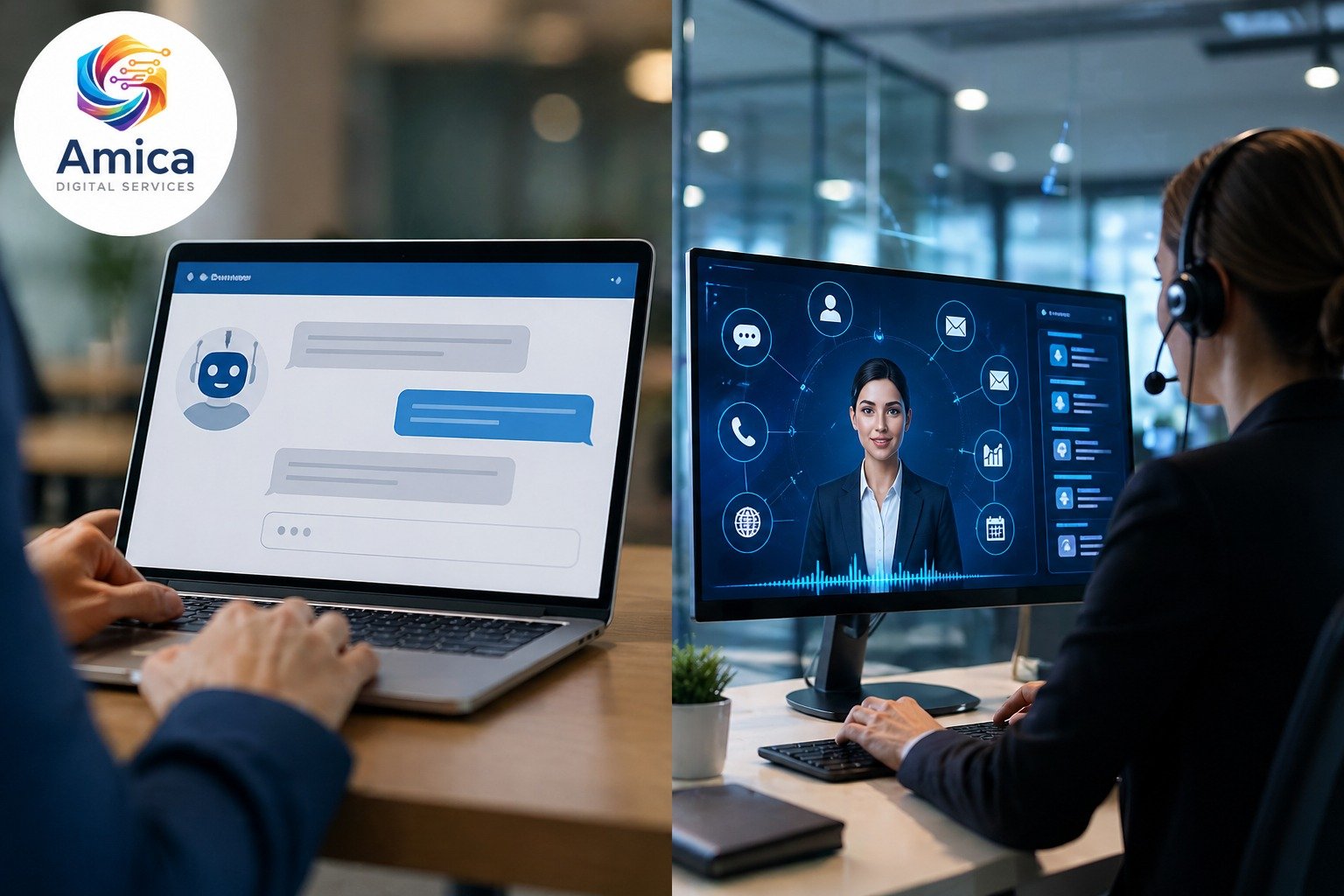
An AI receptionist can help a care agency answer calls from families and carer applicants in the evenings and at weekends, when the office is closed or the on-call coordinator is busy. Used safely, it takes details, answers simple questions from approved information and books a call-back for the next working day, while anything urgent goes straight to a person. This guide explains what it should handle, what it must never do and how to set it up responsibly.
Why care enquiries arrive out of hours
Families often start looking for care after a difficult week: a hospital stay, a fall or a worrying visit to an elderly parent. Many make their first calls in the evening, after work, or at the weekend when they finally have time to sit down and phone round. Care workers looking for a new role often do the same, on a day off or between shifts.
Most agency offices, by contrast, are staffed during the working day, and the on-call phone is there for existing clients and staff rather than new enquiries. That gap means new enquiries often reach voicemail. Families and applicants usually contact several agencies, and many choose the first one that calls back.
What a care agency AI receptionist should handle
- New client enquiries: take the caller's name, number, the area they are calling about and the type of support they are looking for, then book a call-back with a coordinator.
- Carer applicants: capture the applicant's details and availability, answer common questions about applying and send a link to your application form or interview calendar.
- Call-back requests and messages: take complete messages for named staff and log them in your CRM, so the morning team starts with everything in one place.
- Simple factual questions: answer questions such as which areas you cover and how to apply, using only information you have approved.
What it must never do
Care is a regulated, high-trust service, so the limits matter more than the features. Agree these in writing before the agent goes live:
- No clinical or medication advice of any kind
- No safeguarding decisions or risk assessments
- No promises about availability, start dates or fees you have not approved
- No changes to care visits or rotas
- No pretending to be a person: the agent should say it is an AI assistant at the start of the call
The agent should also recognise when a call is not a new enquiry at all. A relative worried about a missed visit, or a member of staff reporting a problem on shift, needs a person, not a booking link.
Escalation rules and handover to the on-call coordinator
Every care agency already has an on-call process. The AI receptionist should fit into it, not work around it. A typical set of escalation rules looks like this:
- If a caller raises a concern about someone's immediate safety, the agent gives your agreed emergency instructions, such as calling 999, and alerts the on-call coordinator
- If the caller is an existing client, family member or member of staff with an urgent issue, the call is transferred to the on-call number
- If the caller is upset or asks for a person, the agent transfers the call or takes an urgent message, depending on your rules
- Everything else is logged with a summary and a booked call-back for the next working day
We test these rules with your team using realistic scenarios before any real caller speaks to the agent, and we review calls regularly after launch. You can see how we set this up on our AI receptionist for care agencies page.
Data protection: no health records in the marketing system
An AI receptionist will hear personal information, and some callers will mention health conditions when they describe the support they need. Set it up with UK GDPR in mind:
- Ask only for the details needed to deal with the enquiry, not a full care history
- Tell callers how their information will be used and point them to your privacy notice
- Keep enquiry records separate from care records: we do not process health records in the marketing system
- Limit who can access call recordings and summaries, and agree how long they are kept
The ICO publishes guidance on data protection for UK organisations, and the Care Quality Commission sets out what it expects of regulated care providers in England. If you are unsure how a new system fits your obligations, check with your data protection lead before going live.
Example: an evening enquiry, step by step
Here is an example of a typical setup. It is an illustration, not a client result. It follows the same pattern as the example workflow on our case studies page, with the AI receptionist answering the phone instead of a web form.
- At 8pm a woman calls about care for her father. The agent answers, explains that it is the agency's AI assistant and asks how it can help.
- It takes her name, number, her father's town and the kind of help she is looking for, and checks whether anything is urgent. Nothing is.
- It offers call-back times for the next morning. She chooses 10am and receives a text confirming the time.
- The call summary and booking appear in the CRM, and the coordinator sees them first thing.
- A reminder goes out an hour before the call, and the coordinator rings her at 10am with the details already in front of them.
At no point does the agent discuss her father's health in detail or promise a start date. Its job is to make sure she is not left waiting, and that your coordinator can have a well-prepared conversation.
Is it right for your agency?
An AI receptionist tends to help most when out-of-hours calls go to voicemail, coordinators are interrupted by routine calls during busy rota periods, or you are recruiting and want applicants to hear back straight away. It works best alongside instant replies to web forms, missed-call text-back and online booking, which are part of our Care and Recruitment Agency Automation Package (£490 per month on a 12-month agreement with no setup fee, or £990 setup plus £490 per month on a rolling 30-day plan). AI voice agents are quoted individually, because the cost depends on call volume, hours covered and integrations.
To talk it through, book a free 20-minute call.
Frequently asked questions
Is it safe to use an AI receptionist in a care agency?
It can be, if it works within clear limits: no clinical advice, no safeguarding decisions, agreed escalation rules and a handover to a person for anything urgent. Test it with your team before it goes live.
Will families know they are speaking to an AI?
We recommend the agent says so at the start of every call. Being open builds trust and gives callers the chance to ask for a person.
What happens if a caller has an urgent concern?
The agent is set up to recognise urgent or safeguarding concerns and pass them straight to your on-call number, or give your agreed emergency instructions.
Does it replace our on-call coordinator?
No. It covers new enquiries and routine messages so your on-call coordinator can focus on existing clients and staff. Anything urgent is passed to them.
How much does an AI receptionist for a care agency cost?
AI voice agents are quoted individually after a short call. They can be added to the Care and Recruitment Agency Automation Package, which is £490 per month on a 12-month agreement with no setup fee, or £990 setup plus £490 per month on a rolling 30-day plan.